Emissions, air quality, and human health
Fine particulate matter (PM2.5) is among the leading environmental risks to human health. Policies change what we emit; emissions and meteorology together set the PM2.5 people breathe; and PM2.5 shapes human health. At Peking University, our work in Prof. Shu Tao's group followed this pathway, with a focus on black carbon.
Policies and emissions
Every air quality estimate starts with emissions. We updated global black carbon emissions from 1960 to 2017, estimated biomass burning's contribution to global and regional SO2, and assessed the energy used to boil drinking water in rural China. These inventories underpin studies of how energy and clean-air policies change emissions.
Emissions and meteorology
Concentrations depend on both emissions and weather. Using simulations with WRF-Chem, MOZART-4, and CMAQ, we built direct and inverse reduced-form models for black carbon that convert quickly between emissions and concentrations, and that distinguish the effects of emissions and meteorology on near-surface black carbon.
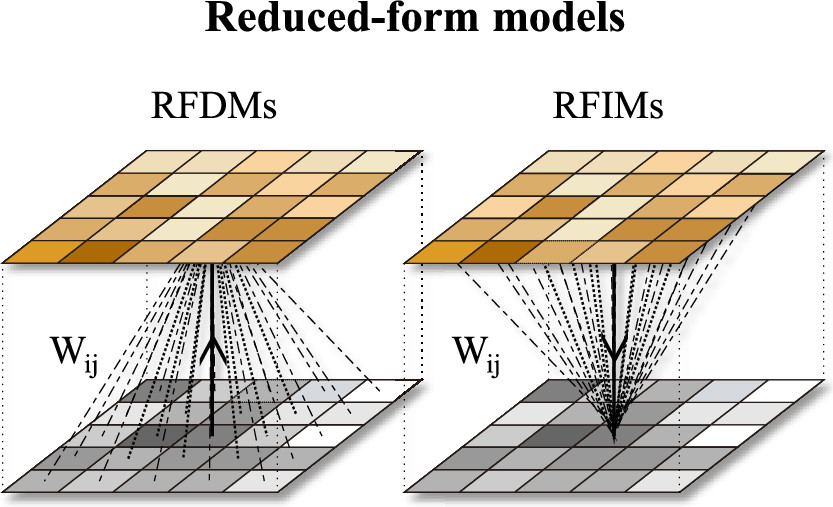
We also showed that PM2.5 reductions in Chinese cities from 2013 to 2019 remain significant once the inflating effect of meteorological conditions is removed, and tested a side-scatter lidar for profiling indoor PM2.5.
PM2.5 and human health
We translated cleaner air into health benefits: urban residential energy switching in China between 1980 and 2014 prevented an estimated 2.2 million premature deaths; a differentiated-rate clean heating strategy offers greater environmental and health benefits in northern China; where coal is burned strongly affects its health cost; and more rigorous regional air quality standards bring substantial health benefits.